
Painting
Marc Stuart
MFA 2016
Honoree:
Walter Robinson
Painting
The technical, formal and conceptual development of painting is at the core of the curriculum. The intensive two-year program combines the study of historic and contemporary painting methodologies with emphasis on exploration of critical theory allowing students to develop an individual artistic vision.
The Painting Concentration immerses students in the variety of languages in which the human form is represented in oil. Direct painting addresses opaque perceptual description; indirect painting addresses mixing of color through layering; and second-year outcomes include integrating disparate sources and multiple figures into coherent compositions. Self-directed work is regularly critiqued by renowned visiting artists and faculty in the context of a diverse contemporary discourse.
Painting Curriculum
Year 1 Fall Semester
This course examines the language and techniques of direct painting from the figure, still life and plaster casts. Students will paint using a variety of strategies derived from current and historical practice. Direct painting has been the method of choice for figurative painting in the modern era, but other techniques are encountered in the history of western art, often as foundations or reference studies for more layered development. Approaches to tonal structure and color theory will be addressed in depth. While emphasis in this course is on perceptual seeing and interpreting, self-directed work plays a significant role. By providing a classroom structure for the review of independent work, the course achieves a vital dialogue between the method of direct painting and the myriad intentions of the artist
.
3 Credits
Core Learning Outcomes
Understanding of techniques and materials of direct painting from figure, still life and casts
Understanding of painting strategies derived from current and historical practice
Theoretical and practical knowledge of tonal structure, color theory, and pictorial strategies for creating a perceptually based illusion of form, light and structure
Development of content, expression and personal picture making
This course provides instruction with perceptual and conceptual methodologies to construct the human figure in two and three dimensions from the model, anatomical reference, and memory. Throughout the course, students construct anatomically accurate renditions of the skeletal structures followed by deep to superficial musculature to understand the relationship between anatomy, morphology and kinesiology.
3 credits
Core Learning Outcomes (50% of grading criteria):
- The holistic understanding of the structure of the body in the form of a basic ecorche, linear and volumetric proportions
- The ability to identify subcutaneous skeletal landmarks on the live model
- The understanding of the angular relationships of the primary axial and appendicular volumes of the body from multiple viewing points to be able to identify gesture and center of gravity
This course focuses on the fundamental elements of drawing from direct observation. By identifying drawing’s underlying principles, studying them independently, re-constructing and combining them with the other elements to create unified drawings of various pose-lengths, students hone the ability to perceive the visual experience with intelligence, apply this knowledge to their work, and cultivate an ability to problem-solve as they approach figurative representation. Students are introduced to both direct (perceptual) and indirect (conceptual) modalities of drawing to better understand the relationship between gesture, proportion, perspective, and the effects of light.
3 Credits
Core Learning Outcomes
- The ability to organize a strategic approach to figure drawing from observation
- A practical understanding of direct (perceptual) and indirect (structural) approaches to figure drawing
- A practical understanding of the integrated relationship of gesture, proportions, and perspective in the human figure through the study of anatomy and kinesiology
- A practical understanding of tonal structure through the study of light on form
Through readings, slide lectures, and discussions, the Art & Culture sequence offers two semesters of advanced study and guided research. It explores a range of historical and current perspectives that shape visual art and reflects on the human figure’s enduring role. Art & Culture I presents the various meanings that have accrued over the past century of Western visual art beginning with the onset of Modernism. Students will closely examine the major art movements and artists of European Modernism in the context of related philosophical, critical, and literary texts. Critical rigor and objectivity is introduced through lively and informed class discussions.
Students will develop their analytic skills by writing a research paper that compares the various historical roles of figuration and abstraction in painting, drawing, and sculpture within their attendant cultural arena. This research will allow students a broad base for understanding the relationship of recent history to contemporary concerns in art.
3 credits
Core Learning Outcomes
- Knowledge of the major visual artists working from 1860-1960, with seminal examples of representational art, abstraction, architecture, photography, literature and psychology.
- Improved analytical and critical thinking.
- Refined rhetorical skills.
- Preparation for thesis research.
This course investigates historical modalities and methods of compositional construction in Western figurative art from Classicism to early Modernism. The essential topics include forms of spatial construction and illusion, the relationship of content to image, and the role of image construction in various social and historical contexts. As a hybrid course in the history of art with a studio component, the aim is to give students an understanding of the potential in strategies of composition and offer instruction in the application of these strategies to their own ideas through studio work.
3 credits
Core Learning Outcomes
- Knowledge of compositional construction in Western figurative art from Classicism to early Modernism
- Understanding of forms of spatial construction and illusion of this time period
- Understanding of the relationship of content to image, and image construction to form and composition
- Understanding of the possibilities and strategies of composition
- Ability to apply compositional strategies to their own ideas
Year 1 Spring
Semester
This course focuses on indirect painting methodologies, which involve the optical mixing of color through layering. – This is the common painting technique in pre-modern times and is gaining acceptance among contemporary artists. Students will paint using various toned grounds, imprimatura, underpainting, glazing, scumbling and vellatura techniques. Through this method of episodically building a painting, students are able to address a variety of visual and color development ideas in sequential fashion. Indirect painting can become an invaluable resource for students’ independent studio work. Projects in this course include self-directed assignments and instructed classroom figure painting.
3 Credits
Core Learning Outcomes
- Ability to address painting development in sequential fashion and optically mix color through indirect layering painting techniques and materials
- Increased skill in use of toned grounds, imprimatura, underpainting, glazing and vellatura
- Ability to apply indirect technique to self-directed artwork
- Understanding of how to approach multiple forms in space with a coherent tonal structure
- Development of core skills of composition, drawing, form, and color/temperature
Expanding upon the foundational principles addressed in Figure Drawing I, this course focuses on the theoretical and practical application of design principles towards composing single- and multi-figure drawings within spatial environments from life. Working on compositional sketches and studies that focus on the abstract linear, tonal, and spatial aspects of design and applying their discoveries towards the development of resolved figure drawings, students will learn to extrapolate the critical elements of design from the visual field.
3 Credits
Core Learning Outcomes
- The ability to approach figure drawing from a compositional standpoint
- The ability to design and compose multiple figures within a spatial environment
- The ability to identify, interpret, and manipulate the psychological and narrative potentials of figure drawing
- The ability to draw from imagination
- The ability to use a variety of graphic languages and pictorial strategies
This is a hybrid studio and art history course with emphasis on the development of self-directed work in preparation for the MFA thesis. The history component begins where History and Theory of Composition ends. Beginning with the birth of Modernism, it takes students through the various strategies of representing form and content from the middle of the 19th century to the present. Formal aspects and compositional strategies will be examined and evaluated in their social and political contexts. Relationships of past art to the development of contemporary figurative art will be addressed with special regard for how this occurs within the students’ self-directed projects which will be reviewed periodically during the course.
3 credits
Core Learning Outcomes
- Knowledge of compositional construction in Western figurative art from Modernism to the 21st century
- Understanding of the formal and compositional strategies utilized, as well as the social and political context, of this time period
- Understanding of the relationship of art history to contemporary figurative art
- Ability to articulate these modes and apply them to their artwork
- Understanding of the relationship between craft, design, materials and content and the connection of these to conceptual and social construction of artworks
- Ability to defend work in context with relevant critical and historical discourse
- Development of the conceptual framework and language necessary to discuss artists’ work, the students’ own work and their classmates’ work
The goal of this course is to improve the student’s powers of observation by providing a basic understanding of the human body’s underlying structures and to develop strategies for representing volumetric forms in two-dimensions. Emphasis is placed on osteology; the origin, insertion, and function of muscles; and their relationship to surface form and proportion. Focus is also placed upon the varieties of human form as represented by artists both historical and contemporary.
3 credits
Core Learning Outcomes
- The ability to establish the proportions of the body, both linear and volumetric, in an architectonic format. With the basic light source and shadow mass established
- The ability to structurally organize a drawing with a schematic mapping of superficial anatomical structures
- The ability to distinguish between a silhouette and a three-dimensionally considered contour
- The ability to compose the interior forms within the larger context of the drawing
In the second semester, students select one elective course based on their area of interest. Electives provide students with the opportunity to enrich their core curriculum and gain experience with new concepts and techniques. Students are encouraged to select an elective outside their concentration. Click here to view offerings.
Elective One 3 Credits
Year 2 Fall Semester
Building upon Painting I and II, this course addresses the problems of composing and executing multi-figure paintings. The course examines strategies for the continued development of technique and its relationship to content and image making. Issues of transposing figures to imagined or constructed spaces and general pictorial compositional development will be addressed. Lectures and demonstrations may also be given and examples of multi-figure composition throughout history will be discussed.
3 Credits
Prerequisite: Painting I and/or Painting II
Core Learning Outcomes
- Ability to compose and execute multi-figure paintings
- Development of technique and its relationship to content and image making
- Ability to transpose figures to imagined or constructed spaces
- Ability to synthesize outside content with perceptual painting to create unique works that explore an individual vision
- Development of a larger compositional pictorial vocabulary
Through readings, slide lectures, and discussions, the Art & Culture sequence consists of two semesters of advanced study and explores a range of perspectives that shape attitudes towards visual art and reflect on the human figure’s enduring role. Art & Culture II addresses the late Modernist and Post-Modern underpinnings of the emerging contemporary milieu. Students explore the ways in which contemporary artistic practice and critical theory inter-relate. The course introduces methods of art criticism, provides an academic and theoretical basis upon which to discuss current artistic practice, and teaches students to gage personal reactions against established scholarly approaches. This third semester seminar is envisioned as both a forum for lively debate based on shared knowledge and a setting for the individual MFA candidate to focus on salient aspects of their thesis. This guided research culminates in students writing the “thesis research paper”.
3 Credits
Core Learning Outcomes
Expanded knowledge of contemporary artistic developments as well as a deeper understanding of the interdisciplinary nature of academic discourses on visual art.
Ability to research and write a convincing argument for the MFA Thesis and to recognize the need to adjust one’s argument and research to achieve this goal.
Ability to articulate orally and in writing a wide range of philosophical positions underpinning contemporary art.
In the first semester of the MFA Thesis, the emphasis is placed on developing individual direction through the exploration of ideas resulting in the execution of artwork. These ideas may first be outlined in maquettes, studies and compositional plans that clarify, refine and consolidate the developing work. Photographs and other material not hand-crafted by the artist may serve as valuable references but do not qualify as gradable material in this context. The MFA Thesis I works are presented in-progress during the mid-semester critique and should show significant development as coherent artworks for the end-of-semester critique.
3 Credits
In the fourth semester, students select two elective courses based on their area of interest. Electives provide students with the opportunity to enrich their core curriculum and gain experience with new concepts and techniques. Students are encouraged to select electives outside their concentration. Click here to view offerings.
Elective One 3 Credits
Elective Two 3 Credits
Year 2 Spring Semester
This course is designed to expand student’s experience in researching and developing their own artistic voice. The purpose is to find one’s relationship to one’s work through internally generated image making, as well as through examination of the outside world through research, obsession, and exploration. In addition, students will be involved in creating a complex studio tableau narrative to work out more sophisticated concepts of spatial compositional image making. They will develop their own technical approach to painting this image based on the intended content. This can include specific palettes, grounds, and sequential technical narrative. This class connects the students to various new modes of thinking and exploring ideas and may be reflected in the development of their Thesis Projects.
3 credits
Prerequisite: Painting I, Painting II and/or Painting III
Core Learning Outcomes
- Ability to solve advanced problems in painting and theory
- Experience with individual criticism, group critiques
- Ability to manage self-directed projects
- Critical skills in relation to painting a cohesive body of work
In this course, students continue building on the body of work and themes addressed in MFA Thesis I. In addition to completing paintings, drawings or sculpture over the semester, students are required to refine their research paper that began in the fall semester in Art and Culture II.
6 Credits
In the fourth semester, students select two elective courses based on their area of interest. Electives provide students with the opportunity to enrich their core curriculum and gain experience with new concepts and techniques. Students are encouraged to select electives outside their concentration. Click here to view offerings.
Elective One 3 Credits
Elective Two 3 Credits
Electives
Electives support the development of independent work, technical and conceptual competency and the completion of the MFA Thesis project. Students enroll in five elective course over their two-year degree program. Many of the courses outlined in the Drawing, Painting, Sculpture and Printmaking curricular pages may be taken as electives to fulfill this requirement. In addition, the Academy offers a diverse selection of electives that vary each semester. Below is a list of recent offerings.
This course offers in-depth analysis of the bones and musculature of the head, neck, and arm in full-scale. Referencing the live model, plaster casts and photographs of human dissections, and anatomical diagrams, a comprehensive understanding of the mass relationships, proportions and functional significance of observed form is thoroughly examined.
3 credits
Core Learning Outcomes
- The ability to model the anatomical structures head, face, neck; and arm and hand in full-scale
- An advanced understanding of complex mechanical relationships of skeletal muscle, tendon, ligament and bone
- A comprehensive understanding of the structures of the skull and muscles of facial expression
Course Description Building upon the foundational knowledge of human anatomy, Comparative Anatomy studies the differences and commonalities of human and animal anatomy, physiology and cladistics. How to use the vast collection of animals at the American Museum of Natural History through the techniques of drawing, sculpture that are aesthetically based. The class will take four or five field trips to the Museum and one trip to the Bronx Zoo. Students have two options for completion of the course. The first choice is to create two animal sculptural terracotta compositions that incorporate fluidity of movement and aesthetic design. The second choice is to construct a 22‐inch equine (horse) or canine (dog) ecorche’ to study the quadruped muscular‐skeletal systems. This course is designed as an elective for all students interested in comparative anatomy to enlarge their repertory on the subject of Artistic Anatomy. It would be helpful if students in this course have already taken Structural Anatomy 1 so that they could easily make human skeletal comparisons with animals. The same could be said of the human versus the animal muscular system. This class allows students the option to either create two creative animal sculptural terracotta compositions or construct a horse or dog ecorche’ in an oil base clay. Students who define themselves as animal artists should consider taking both projects if their schedule permits such an undertaking. The purpose of the class is to give students a professional understanding of the animal kingdom and to transpose this information into representational art. The class will start with the beginning of animals leaving the water and walking on land. We will explore this and many more things at the American Museum of Natural History like the dinosaurs on the fourth floor. We will explore the evolution of these and other periods of history using the cladistic system for analysis of specific animal evolution. This is all
very interesting and can lead to new representational interpretations for contemporary subjects for
animal compositions. Many lectures will balance out concentration on carnivores (meat eaters), herbivores (plant eaters), avian (birds)and omnivores (i.e. primates). The students will learn various animal skeletal systems and “need to know” muscles well enough to focus on how to draw and sculpt these animals. Listed below are a few of the animals that will be covered during this semester. The lectures on the subject of carnivores will include domestic cats, lions, tigers, mountain lions, bob cats, domestic dogs, wolves and foxes. Under the heading of herbivore, the lectures will include horses, cows, giraffes, camels, rhinoceros and deer. Lectures on primates, omnivores, will give the students opportunities to analyze humans as an animal. At the American Museum of Natural History, there is a special room that concentrates on the evolution of humans called the “Origin of Species”. The main reason for going to the American Museum of Natural History is to learn how to use its resources for artistic purposes. The horse holds a special place among all other four‐legged creatures to be used for purely artistic reasons. To mention just a few important art works using the horse as a subject are the Equestrian Statue of Marcus Aurelius in Rome, Donatello’s Equestrian Monument of Gattamelata in Padua and Andrea Del Verrocchio’s Equestrian Monument of Colleoni in Venice. Animal artistic anatomy is the science of form of all their anatomical structures converted into a vocabulary constructed out of the elements of art. This anatomical structure that creates surface form is primarily the bones and muscles. On a secondary level it also includes fat, fur, skin, glands, veins, cartilage and organs that contribute to the creation of surface form. All these structures expand aesthetic possibilities to include not just form but texture and color. Its subject is anything that creates or influences form on any animal. To accomplish this goal some students that choose to create a complete three‐dimensional horse or dog ecorche’ out of oil‐based clay that is 22 inches high and a little over 22 inches long from head to tail. Students will acquaint themselves with the proportions of the ecorche’. This will provide a template for proper placement of bones. This will give the students a structured proportional system to hang the muscles of form and to enhance the structure of the form. All students will learn the names and functions of all the muscles that are applicable to animal artistic anatomy as the process develops throughout the semester. Bones are the most important anatomical structure because of their multiple functions, such as, support, proportions and articulation. For that reason, an in‐depth study of the skeletal system of the horse and dog will be closely compared to the human skeleton. The many similarities between man and animal will make learning the animal bones much easier. The few anatomical differences between quadrupeds, four legged animals, will make it easier for students to draw, paint and sculpt a variety of animals. The N.Y.A.A. has a horse skeleton and I have made a horse and dog ecorche’ for this class. I also have a bird, dog and cat skeletons to study. The second purpose of this course is to teach the students how to draw animals from a classical draughtsman’s point of view. The students will be presented a procedural approach to drawing animals of all types. Drawing will allow students to quickly cover a variety of subjects in the animal kingdom. Gesture will first be applied to their drawings, next comes geometrical form and a simplified skeletal system to their drawing. Through this process one quickly observes that the students are learning animal anatomy first from the inside and working their way to the outside. The course will teach students procedures and skills to enable them to draw and sculpt animals in a competent and professional manor. Making an ecorche’ is a means to a kind of representation of animals that was used by artists of the past in their creations of art. Students will learn sound drawing techniques and learn new shapes and forms by studying and drawing animals to add to their personal artistic repertory whatever field of study they choose. This course’s subject matter can be applied to a wide variety of
professions. Animal images are used in creative ways in the commercial fields of illustration, animation
and animal sciences. Animal representation has always been a part of the fine arts and will continue to
be used by many artists in the future in the areas of drawing, painting and sculpture.
Core Learning Outcomes
- A practical understanding of the similarities of anatomical structures within mammalian and
avian species
- An in‐depth understanding of homologous and analogous structures of human and animal anatomy
- Ability to visualize the complete skeleton within an animal. Students will learn the “boney land‐
marks” for specific quadruped types that are representational of all animals
- In‐depth awareness and appreciation of commonalities of structural design in living and extinct species
- Develop a practical vocabulary of proportions, actions and articulations of multiple species
- Develop a tactile understanding of the relationship between anatomical form and aesthetic considerations of texture, point, line, shape and color
- Develop specific geometric concepts for each species in order to draw and sculpt animals in a
three‐dimensional format
- To compose compositions in drawings and sculptures with fluidity of movement and aesthetic design
Advanced Artistic Anatomy: Dissection will focus on developing an advanced, practical understanding of anatomy through the direct study of dissected cadavers and anatomical specimens. By examining the body from the standpoint that form is dictated by function, students will explore kinestheology, physiology, and morphology towards developing a greater understanding of how anatomy influences proportion, gesture, perspective, and the effects of light on form. Through the intensive study of the functional aspects of the structures of the human body and by learning to identify and separate the vast number of anatomical structures, students will foster an ability to interpret the forms of the human body with intelligence, apply this knowledge to their work, and cultivate an ability to strategically problem-solve as they approach the study of artistic anatomy and
its effective application to drawing, painting and sculpture.
The class is scheduled to include daily demonstration/lectures where the structural anatomy of the area of study is presented – using multiple cadaver specimens, anatomical models, skeletons and diagrams to identify the formal and functional significance of the anatomical structures. In the afternoon session, the class is broken down into smaller groups for a more in-depth analysis of the areas of study, giving students the opportunity to draw and explore the position, articulation and functions of human musculo-skeletal systems through the hands-on study of the prosected cadaver.
3 Credits
For millennia, we humans have used anatomy, this extreme act of self-investigation, to direct an inward-looking gaze and interpret our innards through the lenses of science, philosophy, religion, digging and cutting, looking for answers, meanings, aruspici. These thousands of years of “cutting of the self” have produced innumerable interpretations of our contents that have been explained and illustrated with an infinite number of images in a myriad of ways. The Human Body is the quintessential Promethean entity: it changes with light or shadow, with age, illness, or health, with culture, science or mood, it’s the infinite subject that carries the genetic and cultural information necessary to replicate and project itself in time, making it the most enduring, shifting signifier.
3 Credits
This course focuses on teaching students how to bring back the narrative to realist art. Through discussions and examples, the artist will explore how the narrative was used in the past and how it can be used today in dynamic ways. The drawing should depict the times we are living in without artistic dogma. The subject matter will be a figure or figures placed in a detailed environment. The artist will explain his working method and materials, which include using photography correctly and working from life.
3 Credits
Core Learning Outcomes
- Develop an understanding of the relationship between composition, lighting, perspective subject matter, and formal execution towards creating a complex and compelling narrative within their drawing.
- Develop an advanced understanding of values and materials.
This is a course in strategy. With the myriad of interrelated technical challenges in drawing or painting the human figure from direct observation, this course offers one theory: a single, grand approach (comprised of principles which themselves are open to personalized interpretation) which is intended as one of many blueprints, for weaving a host of tools in the skill set of the visual artist into a complementary result. Students will create a resilient long pose piece to accompany and articulate the lessons of the course, layering such issues into a complex conclusion. Additional work will be assigned in order to support the course content, allowing students to focus on a personal strategy through their own theoretical approaches to the themes of the course.
3 Credits
This course provides students with the opportunity to create narrative images with line and color in the form of traditional drawing. Each week, students will be introduced to different approaches to storytelling found in artwork from around the world. Stories will be adopted from historical epics, folk tales and personal experience. Students will then transform their ideas into large-scale sequential images and learn how to use narrative methods to make figurative images more personal and timeless. Students will also explore working with color in drawing, including Asian brushwork technique, acrylic technique, watercolor technique and oriental style composition.
3 Credits
This course is concerned with the artistic component of graphic novels, focusing in particular on the language, tools and practice of sequential storytelling. We will cover layout and clarity in the individual panel, page design and book setup, the importance of quick perspective and structural drawing from memory, the digital world, coloring techniques, dynamism in figures and shot choice, working methods and illustrative concision. Several optional reading lists will be provided, featuring graphic novel methodology and theory as well as a cultural overview of important/influential works from the last 20 years of the medium. Students will be given a series of exploratory assignments, constructed to pinpoint common hurdles of the craft, culminating in a multi-week, long-form book project set to mimic a real-world working environment.
3 Credits
To copy what one sees within a specific moment is not truly seeing. Seeing while drawing is the awareness and development of a whole experience at once and its representation as a unified whole. Students must be aware of the variety of external changes and moments that influence their drawing over time. The selective process that gives meaning and expression to a drawing will be the primary concern of this class. Establishing a recorded mental response of movement and gesture within an environment will be explored alongside a variety of drawing media.
3 Credits
Core Learning Outcomes
- Measuring and the development of proportions of the human figure
- Modeling and the analysis of tonal values
- Structure and the building of anatomical landmarks
- Design and placement, formal rhythms to the picture plane
- Memory drawing
Nomadic Drawing is an observational drawing course that each week takes the students and model out of the controlled studio space and into different locations around the city. While the focus remains the human figure, the challenge is to accurately record the relationship between the organic human form measured
against the larger urban landscape. Emphasis is placed on using a selective eye to organize the chaos of the outside world, while considering the value of the visceral reaction of being in visually stimulating drawing environments. Students will work with the inherent differences from location to location and find the distinctive qualities of light, patterns, repetition and structural elements to create dynamic compositions. Special consideration will be given to the psychological and emotional human experience of being in a busy urban environment as it relates to the interconnection of figure and landscape.
3 credits
Core Learning Outcomes
- Sharpen observational drawing skills outside of the organized studio space.
- Accurately record the relationship between figure and environment using a variety of line and tonal values.
- Further apply and develop a distinctive drawing approach to location work and independent projects.
- Acquire the ability to use composition, light quality, patterning and selective editing to create a dynamic depiction of the human presence in the urban landscape.
- Develop visual strategies for dealing with the unpredictable occurrences that are particular to working outside of the studio.
- Obtain a deeper understanding of how the environment influences how the artist perceives the human figure.
This course focuses on the fundamental elements of working with pastels. By studying the use of the medium throughout history into the present day, students develop a context to utilize this medium in their own practices. The class will explore how pastels have been used in an expressionistic way, but also how pastels can be used to mimic indirect painting, creating the same optical colors. Students are introduced to making works by using watercolors and acrylic to block in a painting before applying pastels. Additionally, the course will hone the student’s ability to tint and mount paper. Students will learn to appreciate the breadth of power and versatility inherent in pastels. The course will build upon the elements students have learned in previous drawing classes. Finally, the course will also focus on how a professional artist can most effectively present works on paper.
3 credits
Core Learning Outcomes
- The ability to strategically utilize other mediums to most effectively use pastels.
- An understanding of how pastels can be used as effectively as oil paint.
- A practical understanding of creating optical color, as well as direct color, with pastels.
- A practical understanding of how to professionally display works done on paper.
This class will pursue visualization techniques. Students are to develop rapid immediate starts that can allow chance to enter the process. Understanding how to develop an initial structure that’s flexible to change and development are stressed. Students will gain an understanding of materials and basic craftsmanship from establishing ground supports to a variety of techniques in drawing materials. Outcome is measured by each students class performance and graded assignments.
This is a course for students who are interested in experimenting with different materials, methods and techniques to create works on paper as a means to further investigate meaning and/or content in their studio practice. Throughout the course, students will familiarize themselves with a variety of tools and resources so that they may leave the course with confidence in their ability to translate their ideas or visualizations onto paper. One objective of the course is to break down psychological barriers which impede on the creative process by creating an environment which encourages play and intuition.
3 Credits
Core Learning Outcomes
- An in depth knowledge of various water-based materials and wet into wet techniques
- An understanding of the many different ways in which contemporary and historical artists utilize(d) drawing in their practice
- An understanding and consideration of visual syntax and semantics within drawing
- Drawing in series
- Developing processes to draw from the imagination with confidence
This course will teach techniques specifically for fine artists in digital imaging (Adobe Photoshop), digital sculpting (Zbrush) and digital scene and character posing and rendering in (Daz 3D). These digital methods will be introduced with the primary goal of creating more effective source imagery for figurative artworks. The application of these skills will result in creating a convincing life-like quality in the students’ art. Working on digital source images from both 2D and 3D software enables artists working today to more affordably create complex environments, lighting scenarios, and textures to use as content material for their artworks. Exercises will be assigned for students to gain proficiency in rendering scenes and objects in 3D software. Students will come up with short term and longer-term non-digital projects that apply the methods studied throughout the semester into their physical artworks. No prior digital experience is necessary to take this course.
3 Credits
Core Learning Outcomes
- *Adobe Photoshop:* Proficiency with selection tools, photo editing, photo manipulating, and creating photo composites
- *Daz 3D:* Demonstrate competency in posing, lighting, and rendering a character.
- *Zbrush:* Gain efficiency with sculpting brushes and with the concepts behind digital sculpting.
- *Studio Work*: Make two short-term projects and one longer term project within the semester. These projects will be an opportunity to apply ideas and methods learned from software into traditional physically based artworks. Students are expected to create sketches or photo composites that outline a rough plan for these projects.
This course explores basic principles of the layered painting techniques that developed and flourished in Europe in the 15th, 16th and 17th centuries, and examines how varying approaches to illusion, form, color and content are intrinsic to the expressive aims of painting. While the context of the class is historical, emphasis is placed on the practical application of technique to the student’s own painting. Instruction will be given in the use of toned grounds, underpainting and grisaille. Various forms of paint application will be explained and examined: alla prima, velatura, glazing, etc., with specific attention to the optical effects of paint and color perception. A variety of palettes and mediums will be examined in terms of their historical applications. Discussions of technique and its relationship to content will be strongly encouraged. Students gain practical experience as well as insight into past technical developments.
3 Credits
This is a unique course in the relationship of technique to content in drawing traditions up to the present day. Students gain both practical experience and a historical perspective on the use of materials and technique employed by draftsmen in a number of historical periods. Wet and dry media on various supports are explored in a studio format. Students prepare paper with grounds for use with metal-point, tempera, inks applied with pen and brush, both natural and fabricated chalks, and various forms of charcoal. Through readings, lectures, discussion and museum visits, the development and application of drawing technique are studied as both a reflection of and impetus for the artist’s ongoing search for form and meaning.
3 Credits
This seminar focuses on artists as the subject of late-twentieth century biopics, documentary, and fictional films and videos. Through weekly screenings and readings, students analyze and critique the ways in which the lives of artists and their vocation are constructed and represented in moving images. As a point of departure for seminar discussions, each film/video is paired with an artist’s writing or an essay of cultural criticism. However, a primary concern of this seminar is decoding and deconstructing the meanings and messages
in films/videos about artists.
This course focuses on late-modern to contemporary photography and its function within cultural history, social politics, and everyday life. Students critically analyze and deconstruct photographs to consider their broader meanings and social functions. Through readings, slide lectures, and film screenings, students are introduced to a range of approaches to the practice, history, and criticism of photography.
3 Credits
Core Learning Outcomes
- Knowledge of significant photographers working from the late 20th century to the present, with examples of representational art, abstraction, architecture, photography, literature and psychology
- Improved analytical and critical thinking
- Refined rhetorical skills
Except under specially approved circumstances, only second-year students have the option of applying for an Independent Study in the fall or spring semester. An Independent Study may only replace an elective and cannot be used to replace any required courses. An Independent Study course may only be taken once during a student’s MFA studies, can only be taken with a member of the full-time faculty and requires a written proposal from the student no later than the first day of classes for the semester during which the Independent Study would be conducted. The written proposal must be approved by the student’s primary faculty advisor and the Faculty Committee, who determine if the student is prepared for a self-directed course of study.
3 Credits
This class provides an overview of the basics of stop motion animation and explores diverse approaches to animation. Topics covered include storyboarding, paper cut outs and claymation; building characters sets, and armatures; lighting, camera setup, software, importing footage, timing, and editing. Developing an understanding of traditional, hands-on animation practices is very important, especially in our contemporary world where technology is so prevalent. Through an exploration of various materials— acrylics, inks, oils, additives, wire, fabrics, clay, silicone, foam and mixed media—students will create exciting combinations and discover inventive approaches to animation that will bring painting, drawing and sculpture to life—creating the illusion of movement.
3 Credits
Core Learning Outcomes
- Gain knowledge of how animations are created through their own projects and by intently watching the works of master animators
This is an advanced painting course that explores issues and practice of painting as a physical studio practice within the conceptual landscape of contemporary art. The class will focus on the needs of the individual student as they develop a unique and self-directed body of work created with materials and methods that suit the purpose of the individual. There will be three “Studio Immersion” 6- hour sessions that explore alternative painting and drawing media and methods: encaustics, monotypes, acrylic under-painting, beyond the sables: alternatives to the brush, rubbings, pours and happy accidents, encaustic oil sticks, alkyd painting mediums, and many other non-academic methods and materials.
3 Credits
This course is designed to explore the unique challenges of animal and natural subjects in art. The academy prides itself on being a cohesive cultural institution that deals uniquely with the human figure in contemporary art. In addition to the figure, elements from the natural world are integral in the work of many representational and conceptual artists. This course will help to fill in the cracks of how we make images that incorporate natural forms, animal imagery and animal locomotion in art making. The idea is to approach this from a perceptual, cultural and historic model, as well as a scientific and anatomical model. Students will gain a better understanding of animal anatomy and natural imagery in their art. Students will develop their work both in terms of personal iconography and the understanding of physical and technical representation.
3 Credits
Live animals serve as models for this elective. The number, dates of visit and type vary each year. Past models include:
| Alligator | Highland Cow | Porcupine |
| ———- | ———— | ———— |
| Alpaca | Honey-bear | Rabbit |
| Armadillo | Horse | Salamander |
| Chicken | Insect | Scorpion |
| Crow | Kangaroo | Sheep |
| Donkey | Lizard | Skunk |
| Duck | Monkey | Snake |
| Fox | Newt | Sugar-glider |
| Frog | Opossum | Swan |
| Goat | Owl | Tarantula |
| Goose | Parrot | Toad |
| Guinea Hen | Peacock | Tortoise |
| Hawk | Pig | Turtle |
This course will explore the mystery and magic of color interaction, and discover how to use color purposefully in your painting. The principles of “color theory” observed by Josef Albers are sometimes thought of as being modernist, but these principles were understood and employed by the old masters. Artists such as Vermeer, Hopper and Monet understood the secrets of color—how to adjust and manipulate color relationships to intensify the portrayal of light and material, to strengthen a composition, or to create spatial effects.
3 Credits
By using observation and analysis, students will explore using their visual memory as a basis for the creation of space and form. While traditionally trained artists have always utilized observation, the fully formed artist must know how to paint beyond what they see if they are to transcend the limitations of direct observation. This class will push students to take what they know, what they see, and what they can visually interpret and correlate into the service of individual expressive needs. Working from life and observation, students will internalize their observation in order to construct imaginary space using themselves as models. Working from self-portrait and direct observation as a means to construct a design and composition.
3 Credits
Core Learning Outcomes
- Understanding of visualization techniques
- Develop rapid immediate starts that can allow chance to enter the process
- Understanding how to develop an initial structure that’s flexible to change
- Gain an understanding of materials and basic craftsmanship from establishing ground supports to a variety of techniques in painting materials
- Observation of proportion, tone, value with a unified direct application
- Simplification of forms and the gradual development of the parts in context with the whole which are produced through the understanding of light and shadow and warm and cool tones
- Produce one major work based on self-portrait
This painting course will examine the subtleties of flesh, exploring the variations of skin ranging from humans and other animals to fruits and vegetables. Working from life, photographs, and imagination, we will investigate a variety of options in underpaintings, glazes and color systems that will amplify texture, reflections and depth of flesh. Students will discover painting techniques to capture subtleties of color and translucency in the skin, making their subjects vibrate with life.
3 Credits
This class will feature a narrative setting with the model in context to the Memento Mori theme. Each pose will feature the theatrical as topic. Both pretext and subtext will be discussed. The Memento Mori as it represents the futility of time and the temporal nature of all things subject to decay, as represented as a psychological vehicle for each pose and still life set up. The narrative thematic Memento Mori will constitute the class focus. The development of a thinking eye through the selective pursuit of form and color are topics made use of with each pose. Painting from life affords the opportunity for selectivity through the observation of changes that develop from moment to moment. Students must be aware of the variety of subtle changes observed in class from the slightest shift of the model’s pose to a change of color and tone due to a reflected light. All the variety of changes that occur informs a painting and becomes in some way a remnant of that experience. The process in representing those experiences as a unified whole is the challenge of painting. Student’s perceptual skills are conceptual concerns that give meaning and allow expressive direction to painting.
3 Credits
The focus of this class is to develop a thinking eye through the selective pursuit of form and color. Painting from life affords the opportunity for selectivity through the observation of changes that develop from moment to moment. Students must be aware of the variety of subtle changes observed in class, from the slightest shift of the model’s pose, to a change of color and tone due to a reflected light. All the variety of changes that occur informs a painting and becomes in some way a remnant of that experience. The process in representing those experiences as a unified whole is the challenge of painting. Student’s perceptual skills are conceptual concerns that give meaning and allow expressive direction to painting.
3 Credits
In 1436, Leon Battista Alberti argued that history painting was the noblest form of art: “as being the most difficult, which requires mastery of all the others (still-life, landscape, figure & portrait), because it is a visual form of history, and because it has the greatest potential to move the viewer.” Yet four centuries later, Jacques-Louis David was ridiculed for his large, academic compositions, dubbed “grandes machines”, perceived by the new realists as contrived and artificial.
Today, painters like Bo Bartlett, Nicole Eisenman, Dana Schutz, Nicola Verlato and Louis Fratino breathe new life into large, ambitious studio productions, using them as a way of depicting and deconstructing both personal and societal trends.
In this class we shall define history painting very broadly, taking into consideration the maxim that the personal is political. We will develop an ambitious, multi-figure composition whose narrative tells a tale that can be read on multiple levels. We will aim for an ambitious (large-ish, doesn’t have to be huge) final painting or series of paintings.
3 Credits
- Gain experience in composing rhythmic, multi-figure compositions which are convincing figuratively, formally and conceptually
- Develop a strong emotional connection to your artistic voice to create work that is compelling for its depth of content and subtlety of meaning
- Explore the concepts of metaphor, allegory and synecdoche
- Become familiar with images from many recent and historical art milieux which generated ambitious art – not exclusively painting – addressing the human condition
The purpose of this course is to advance the student’s understanding and appreciation of classic representationist portrait painting in oil. Each student will accomplished this through drawing and painting from the live model, copying masterworks, and working from the imagination. In these depictions students will analyze and develop the fundamental pictorial structures such as chiaroscuro, space, and chromatic development. Because materials facilitate the artist’s individual expression, the course also emphasizes the structural significance of fine art oil painting, including supports, palettes [colors employed], media, and brush calligraphy.
3 credits
Core Learning Outcomes
The course is designed to promote individual expression and independent development pertinent to illusionist portraiture. Among the learning outcomes in which students will demonstrate an expertise in the following:
- Illusionist pictorial structures such as chiaroscuro, tone, form, anatomy, proportion, composition, scale, and space as they pertain to portraiture
- Development, chromatically and tonally, an illusionist portrait
- Recognize similarities and dissimilarities in regional schools of portraiture
- Display a mastery of materials, especially that of brush calligraphy
- Engage the viewer through the use of the eye-level line as a perceptual threshold
- Analyze through copy masterworks in portraiture
- Create portraits from direction observation of the model and from the imagination
This class will feature a narrative setting with the model in context to the Memento Mori theme. Each pose will feature the theatrical as topic. Both pretext and subtext will be discussed. The Memento Mori as it represents the futility of time and the temporal nature of all things subject to decay, as represented as a psychological vehicle for each pose and still life set up. The narrative thematic Memento Mori will constitute the class focus. The development of a thinking eye through the selective pursuit of form and color are topics made use of with each pose. Painting from life affords the opportunity for selectivity through the observation of changes that develop from moment to moment. Students must be aware of the variety of subtle changes observed in class from the slightest shift of the model’s pose to a change of color and tone due to a reflected light. All the variety of changes that occur informs a painting and becomes in some way a remnant of that experience. The process in representing those experiences as a unified whole is the challenge of painting. Student’s perceptual skills are conceptual concerns that give meaning and allow expressive direction to painting.
3 Credits
Core Learning Outcomes
- With a focus spinning the area between execution and theory, students will develop a deeper awareness of the choices they make regarding technical narrativity
- Develop a clearer understanding of the historical origins and precedence of their own aspirations as painters
- Ability to place their explorations within the context today’s horizon of expectation
- Resolving difficulties with regard to the students’ Thesis projects
To explore what this whole notion of making a work of art can “mean”– firstly to yourself! How highly subjective this business of making art really is. How deeply idiosyncratic. What the much maligned notion of expressivity: the imagination, transforming the world, whether with the logic of a dream, or the so called perceptual world around us (or both)–can lead to…or lead us from. Putting all your complicated stuff upfront: your skills & your liabilities, your fears & desires. How “unacceptable” things for a lawyer or a parent, can be very valuable grist for an artist’s mill. For example, I find my anger (harnessed of course) a very useful tool for making my own work. The terrific freedom that one can explore in being an artist. For example, one have an alter ego… i.e. a choir boy (girl) by day & God knows what in the studio at night. I’ve found it’s a useful way to think about it. We’re all so repressed, but it’s after all an imaginative realm. Safe. Fictional. It’s fantasy, that’s why it’s been around for so long. Transforming the world in paint can be anything from the caves to whomever…35 thousand years & counting! A pretty exhaustive & rich a tradition we’re in fact plugging into. That’s why the perpetual desire on the part of pundits to declare painting “dead” continues to be so laughably absurd.
3 Credits
This class will feature a narrative setting with the model in costume. Each pose will feature the theatrical as topic. Both pretext and subtext will be discussed. The costume as surface ornament, as disguise, as protection, and as a psychological vehicle will constitute the class focus. The development of a thinking eye through the selective pursuit of form and color are topics made use of with each pose. Painting from life affords the opportunity for selectivity through the observation of changes that develop from moment to moment. Students must be aware of the variety of subtle changes observed in class, from the slightest shift of the model’s pose, to a change of color and tone due to a reflected light. Variety of changes that occur inform a painting and becomes in some way a remnant of that experience. The process in representing visual experiences as a unified whole is the challenge of painting. Student’s perceptual skills are conceptual concerns that give meaning and allow an expressive direction to painting.
3 Credits
Core Learning Outcomes
- Develop rapid immediate starts establishing the whole at once.
- Understand how to develop an initial structure that’s flexible to change and development.
- Gain an understanding of materials and basic craftsmanship from establishing ground supports to a variety of techniques in oil paint using fatty over lean principles.
- Observe proportion, tone, value and color with a unified direct application of paint.
- Simplification of forms and the gradual development of the parts in context with the whole which are produced through the observation of light and shadow and warm and cool colors.
- Build a cohesive body of work.
The limitations of still life provide an excellent format for students to explore and deepen their understanding of oil painting. The first part of the semester, working from life, students will hone their perceptual skills by focusing on the surprising nature of light, the complexity of color, and how one translates this into paint. Still life has often been used (Cezanne, the Cubists, Morandi) to experiment with composition, form, space and the nature of representation. In the second part of the class, students will work individually, exploring and developing their own approach and visual language. Throughout the course, we will look at the history of still life painting, from the earliest Greco Roman mosaics to current shows, analyzing the multitude of ways to make a painting.
3 Credits
This course teaches students to paint weight, volume and depth with reference to space and any given figure within through a sharp observation of nude models, with a specific focus on perspective on one end and color study on the other. Students will immediately start working with the complete chromatic scale. Each student will be instructed to create their painting with a slow building approach (i.e. layer upon layer) with particular attention paid to the use of the color white and its relationship with all colors. Students will focus on direct painting and scumbling technique. The canvas will be prepared by using a very dark and neutral ground – a mid-dark grey ground – enabling students to make an aggressive use of color. Using white with wide and vigorous strokes mixed with the full range palette will result in an impasto full of body with distinct masses. Upon this foundation structure, the painting is constructed. Students will draw charcoals as a work in progress tool and reference point to realize the final painting. The drawings quickly drawn with few essential lines to impress in their memory the essential coordinates of form and volume as perceived by their eyes (i.e. a synthesis of the general points of reference).
3 Credits
Core Learning Outcomes
- Gain advanced knowledge and control over painting skills
- Improve ability depict light and its effect on the figure more naturally
- Understand the relationship between their newly learned skills and the development of language in the history of paintings
What is subject matter? What kinds of subjects are appropriate for ambitious painting? By some accounts, modernism killed off the idea of content entirely, or reduced it to what de Kooning called something “very tiny,” a mere glimpse. Pop art brought it back, albeit in ironic forms, and now the power of subject depends on its relationship to formal innovation, art history, and our own “period eye.” Through discussions, slide lectures, and a series of assigned projects, this class will offer a radical group investigation of what is arguably the most important task for representational painters.
3 Credits
This course centers on understanding, engaging, and creating iconographies, delving deep into existing systems of representation to disassemble and reassemble them into a new and unique interpretive lens. Through mining archives, scouring the internet, and conducting research in scholarly publications and museums to source imagery, students will create their own organizational data bank/archive to house and store imagery, coding and sorting images and symbols based on their constructed meaning and interpretative lens as the foundation for their own, unique synthetic realities. Through a multifaceted creative process and workshop, students will draw inspiration for archival materials and research, focusing in on imagery and iconography that intrigues them, creating a database of these images, and reanimating and fusing existing iconographies and visual tropes into a new, body of work, reflecting the unique perspective and voice of the student.
3 Credits
This class will explore different approaches to storytelling through painting. We will develop tools for generating images and explore a variety of sources of inspiration ranging from fiction, current events, movies, personal histories, and appropriation. There will be an emphasis on brainstorming and experimentation versus realizing fully executed paintings. We sill discuss the history and meaning of narrative art as well as consider contemporary examples and what it means to make narrative paintings today.
3 Credits
This course is to understand the nature of watercolor. Using different materials leads to different results and students will learn and explore by using them to see what suits their vision and individual style. General rules of how and when to use wet on wet, dry brushes and how to build color by layering are covered. Once be familiarized with the medium then applying that knowledge to create representational images.
Students are guided to strengthen the work by managing the weak part of their work such as lack of contrast, imbalance of color harmony between warm and cool, creating depth using aerial perspective and depth to the object using the bleeding technique.
3 Credits
Core Learning Outcomes
- Understanding of watercolor materials and their usage
- Ability to recognize and apply a variety of watercolor techniques
- Use of hue, value, and intensity of color to create a focal point and express intention in their work
- Understand the importance of planning a composition and a process of developing the image
- Utilize Elements of Design such as line, shape, space, texture, volume or color
- Utilize Principles of Design such as balance, emphasis, proportion, rhythm, unity or variety in the finished painting
This course explores the connecting points between watercolor and oil, studying the fundamentals of “alla prima” application. This fast-running pictorial style allows students to translate the freshness of watercolor into oil, achieving a synchronicity between the two painting languages. This creates a fluid (wet) painting style –playing with texture, composition of pigments, and maintaining a fresh application. The primary goal of the course is to give students the opportunity to explore this open technique, maintain spontaneity in form description, and allow the artist to create images through imagination fed by fluid material.
3 credits
As a continuation of Painting II, this elective will build on student’s prior knowledge of indirect painting methodologies, which involve the optical mixing of color through layering. This is the common painting technique in pre-modern times and is gaining acceptance among contemporary artists. Students will paint using various toned grounds, imprimatura, underpainting, glazing, scumbling and vellatura techniques. Through this method of episodically building a painting, students are able to address a variety of visual and color development ideas in sequential fashion. Indirect painting can become an invaluable resource for students’ independent studio work. Projects in this course include self-directed assignments geared towards the development of thesis work and instructed classroom figure painting.
3 Credits
Core Learning Outcomes
- Ability to address painting development in sequential fashion and optically mix color through indirect layering painting techniques and materials
- Increased skill in use of toned grounds, imprimatura, underpainting, glazing and vellatura
- Ability to apply indirect technique to self-directed artwork
- Understanding of how to approach multiple forms in space with a coherent tonal structure
- Development of core skills of composition, drawing, form, and color/temperature
This class will embolden students to generate new ideas for paintings. Through a multifaceted creative process and workshop, students will draw inspiration from archival materials and research, focusing in on imagery and iconography that intrigues them, creating a database of these images by reanimating and fusing existing iconographies into a new body of work, reflecting the unique perspective and voice of the student. This course will cover a diverse range of topics from art history. Divergent at first glance, threads run through them that have shaped the way I see our collective past. Drawing from the fringes of art history, I’ve found most fruit lies bare in what has been hidden, suppressed and taboo. This is an exploration of iconography ranging from African, Asian, European and Pre-Columbian traditions. Together we will undergo the process of sifting through history, both amassing and archiving imagery ranging from ancient art, vintage ethnography, historical portraiture and landscape.
3 credit
Core Learning Outcomes
Students will:
- Understand, engage, and create iconographies
- Delve deep into existing systems of representation to disassemble and reassemble them into a new and unique interpretive lens
- Create their own organizational data bank/archive to house and store imagery through mining archives, scouring the internet, and conducting research to source imagery
- Create the foundation for their own unique iconographic cosmology by coding and sorting images and symbols based on their constructed meaning and interpretative lens
- Experiment with collage, using the images they have sourced as both a foundation and inspiration, fusing together iconographies to create paintings that represent a personal narrative and mythology from their bank of images
- Create a final painting that draws on the research and experimentation of the semester, fusing and reanimating the source images through the student’s chosen interpretive and aesthetic lens
From the caves of France and Spain to the frescoes of Pompei and classical India, From the churches of the Renaissance to the great murals of twentieth century Mexico, large scale wall painting has been a central part of human artistic expression for about as long as there has been human artistic expression.
This class will teach you how to handle painting on that scale.
In our time, most of the traditional forms of mural painting are cumbersome and difficult to execute without a preexisting commission, so for this class we will learn the form by using Flashe vinyl acrylic on Tyvek sheets. This will allow us to install full scale paintings on the wall and then remove them, even to reinstall them somewhere else if the occasion should come up. The goal of the class is to create a set of narrative paintings linked by theme (TBD by the class) that would cover at least 50 feet of wall length. The projected painting(s) will incorporate your skills with landscape, figuration and abstraction as it
relates to a greater narrative cycle and the architecture of the space where the paintings are installed.
3 Credits
Contemporary works on paper show an inventive amalgamation of materials and techniques — hand drawn images get incorporated with traditional and digital prints, collage elements intermingle with water-based media using masking and cutting techniques, and digital imaging techniques inform various aspect of the process.
This course offers a comprehensive exploration of diverse materials, methodologies, and techniques to create works on paper. We will explore creation through various inventive ways, such as formation and destruction to allow the material to guide the work. This class will have a focus on experimentation and the way materials express the feeling and meaning in the work. This will be achieved through practice of drawing and painting in water-based techniques, masking, cutting, collaging, and printing. This course will also teach techniques specifically for fine artists in digital imaging using Procreate application for iPad pro with Apple Pencil and Procreate Pocket for iPhone. It will address basic tools and advanced functions, digital drawing and sketching fundamentals of image manipulation, color space, layers and much more. No prior digital experience is necessary to take this course.
3 credits
Core Learning Outcomes
- Gain a well-rounded understanding of materials and how they can dictate the overall feeling/meaning of the work.
- Procreate for iPad and iPhone, Apple pencil: Proficiency with basic tools and advanced functions, digital drawing and sketching fundamentals, image manipulation, color space, layers, manipulation of reference materials.
- Experience with individual criticism, group critiques
This painting and drawing focused class will explore the creation of works that connect to the ideas of imaginative realism and contemporary surrealism.
Students will hone their skills of interpretation of reference and preliminary sketches -using it as a tool of idea generation without allowing strict adherence to the reference itself to be the thing that carries the work.
Live painting and drawing demos, figure drawing/painting, special projects/assignments and in class critique of works done outside of class, help students find what their individual voice is within the traditional of imaginative realism and contemporary surrealism.
The class will focuse on visionary thinkers that have often been left out of the history books in this realm such as the works of Rose O’ Neill and Edmund Dulac, The landscapes of Eyvind Earl, as well as celebrated contemporary artists such as Thomas Woodruff, Inka Essenhigh, Anna Weyant and Sasha Gordon that address imaginative reality through the lens of the present moment.
This class will focus on works done within traditional painting and drawing mediums rather than digitally generated content. Use of any AI as primary inspiration material with be discouraged for this class.
Students who enroll in the class must be willing to take technical risks and challenges within class that may be assign them so they may push out of their comfort zone both stylistically and with the mediums they use for a short period of time to further their work and individual vision.
3 credits
The content of this course is based on contemporary exhibitions at galleries, museums, and alternative spaces in New York City. Every first week, the class will see one or more shows, and then read a text or group of texts that frame the exhibition(s) in relationship to various contemporary and historical discourses. Every second week, the group will meet on campus to discuss the exhibitions and readings. As such, the course will emphasize careful study, analysis, debate about, and intellectual contextualization of original works of art. The instructor will assign the exhibition(s) and readings, but welcomes suggestions from members of the class. Because the course will be dependent of exhibition schedules of outside institutions, students should not necessarily expect the course content to follow a linear historical timeline. The shows we see may cover any historical time period.
3 Credits
This graduate-level course is designed to help technically trained artists transition from classical approaches to a contemporary practice that is deeply personal, philosophically grounded, and conceptually rigorous. Drawing on Joseph Campbell’s “The Hero with a Thousand Faces,” students will identify their own heroes – defined not as subjects for depiction, but as internalized sources of conviction that fuel their worldview and practice. These hero figures will serve as conceptual anchors for creating two major works: one painting and one sculpture.
Through exposure to modern and contemporary artists including Jean-Michel Basquiat, Robert Rauschenberg, Betye Saar, and Eudald de Juana, students will investigate how artists integrate technique, narrative, and personal conviction. Each class will combine lecture, discussion, critique, and studio practice.
3 Credits
This course provides students with the unique opportunity to copy paintings directly from originals in the galleries of the Metropolitan Museum of Art. This long-established practice has been crucial in the education of many of the greatest painters in history. It is interesting that so many of the most creative and original artists (Rubens, Poussin, Blake, Van Gogh, Cezanne, Picasso, Manet, Degas…) strongly believed in the value of copying.
3 Credits
In this course, students will derive inspiration from literature, fiction, cinema and pop culture to re-create a series of semi-modern and semi-historical epic images. Students will work with long paper scroll, multiple panels with both painting and drawing technique. We will be practicing the traditional narrative method of image making to engage with the conceptual approach.
3 Credits
This course is an immersion in the culture and craft of relief printmaking (woodcut, wood engraving, lino cut, and relief etching). Beginning with black line and white line techniques from the live model, students develop skills at translating empirical observation to relief’s ‘binary’ language. They then present image ideas and begin a semester long project resulting in a suite of prints that may be in dialogue with their thesis project. Advanced techniques such as chiaroscuro, multi-block, and reduction printing are demonstrated over the span of the course. Regarding cultural immersion, students will visit print shops, artists’ studios, and print fairs..
3 credits
Core Learning Outcomes
Ability to translate a tonal drawing of the human figure into the graphic language of relief
- Develop moderate to advanced skills with the standard carving tools
- Understanding of relief printmaking’s history and contemporary developments
- Ability to translate one’s own artistic language into relief
- Ability to print relief editions, modify inks, and solve printing problems
- Knowledge of contemporary practices and contemporary artists working in relief
The 600 year history of intaglio methods and their contemporary uses serves as a backdrop to this expansion of the drawing process toward the unique the properties of the medium. It focuses on particular techniques and languages best suited for creating the volume and light effects in figurative representation. The program includes regular technical demonstrations in line etching, engraving, drypoint and mezzotint. Students may work from a live model on certain projects but are expected to complete prints based on a self-directed concept or theme.
3 credits
Core Learning Outcomes
- Understanding techniques and languages best suited for the rigors of figurative representation in intaglio
- Skill with line etching, engraving, drypoint and mezzotint
- Ability to translate live model to intaglio processes
- Thorough technical knowledge of plate making and printing techniques
- Ability to recognize printing problems and solve them
- Ability to apply intaglio processes to one’s own artistic sensibility
- Understanding of intaglio’s history and contemporary applications
Since Alois Senefelder invented lithography more than 200 years ago, the human figure has played a major role as subject and vehicle for expression in the medium. This course addresses unique technical problems faced when working with the figure and pictorial space in lithography. Both additive (crayon,tusche) and subtractive (maniere noire) approaches will be introduced. Students will work from the live model on stone as well as pursue a suite of self-directed prints. No printmaking experience is necessary.
3 credits
Core Learning Outcomes
- Ability to solve technical problems in printing lithographs
- Ability to represent the figure and space in lithographic media
- Create of a suite of self-directed prints
- Ability to process successfully, pull proofs, rework the stone or plate and complete an edition of 15 prints
- Development of techniques and visual language uniquely tailored to lithography and one’s own form sense
- Understanding of lithography’s history and contemporary uses
Students explore traditional and new printmaking techniques in series of related prints, unique objects, and explore their relevancy to contemporary art. The class is a seminar/workshop in which Directed research and practice in printmaking for individualized development of content and technique. Emphasis is placed on exploration and growth in the intellectual, conceptual and expressive aspects of the printmaking process.
3 credits
Core Learning Outcomes
- Understanding of traditional and contemporary techniques in monotype
- Ability to individually develop content and technique
- Improved painting skills and knowledge of printmaking methods
- Ability to work in a direct, spontaneous manner leading to gestural images and textured surfaces
The purpose of the course is to introduce students to a variety of techniques and approaches not covered in the standard curriculum such as: working with wax, the clothed figure, relief and the depiction of motion.
3 Credits
We commonly believe that the human face is our primary “likeness”- our self-presentation distilled.
If we now most often interact with flat digital likenesses, then what can it mean to explore the face/portrait/head in the three-dimensional hand-made form of sculpture? How can a traditional artistic practice based on observation and manual form-making act as a comment, counterpoint, critique, or adjunct to the pervasive contemporary understanding of the likeness?
We will take a look at many images of three-dimensional representations of the human head and face in a broad cultural and art historical context. This will include both heads that are not necessarily intended to be likeness of individuals and non ‘art’ objects (ceremonial masks, death masks, caricatures, waxworks, vents, etc.) We will also discuss evolving scientific models of understanding the human likeness and the “natural history of the face.”
Students will work on modeling ‘traditional’ portraits from observation and consider how this method of working and developing skill set integrates with their overall artistic practice.
3 credits
Core Learning Outcomes
- Refine formal and anatomical understanding of head
- Enhance and balance perceptual modeling and abstract composition of form
- Explore independent work: how the portrait head might be useful in one’s practice in a contemporary context
- Expand fabrication and finishing techniques specific to independent work
This course will teach students how to make contemporary, exciting and highly imaginative figurative sculptures using a variety of found objects and everyday materials that are very accessible, inexpensive and easy to construct. An emphasis will be placed on personal expression, while employing traditional methods of anatomy, gesture and scale. We will learn to create sculptures that take on a life of their own because we will first start with a base of reality. Time will be taken to create a human or animal armature that is correct in proportion and scale so the student will then have the freedom to take it to a different level of abstraction with there always being an underlying reality that helps the viewer relate to it. The size of the piece will be the student’s choice. The students will learn to construct sculptures using different materials such as objects from nature, fabrics, recyclables and sustainable materials, wood, lightweight metals, plastics, wire, tape, glue, screws and household objects. Minimal tools will be needed to replicate what artists use living on a minimal budget. This will be a direct sculpting process with no need to make molds. This is a class of complete expression to compliment the technical skills learned in other sculpture classes.
3 Credits
This course is designed to introduce students to the tools, techniques and materials of sculpting in stone. Basic and more advanced principles of the reductive process are covered, including the proper use of manual, pneumatic and electric tools, direct versus indirect carving, the employment of calipers and measurements, models for 1:1 or enlargement reference, and abrasives and finishing techniques. Additionally, the characteristics of various carving stones are discussed, including marble, limestone, alabaster, travertine and granite. The practical components of the course are supplemented with slide presentations examining stone sculpture from archaic times to the twenty-first century. Important historical artworks are covered, as well as the use of stone as a contemporary artistic medium.
3 Credits
This course is designed to challenge ideas of what sculpture is and what it is made of. We will experiment with a multitude of materials, from silicone, fabric and wax, to found objects, trash and food. We will explore temporary sculpture, discovering the freedom of impermanence and the magic found through destruction, along with various ways to document the lifecycle of an ephemeral sculpture. Students will have the opportunity to investigate sculpture that is movable, functional or wearable. We will find inventive ways to juxtapose materials in order to gain dynamic combinations that play with surface, form and texture. This class will have an overall focus on experimentation, how to use and combine unconventional materials and how the materials dictate the overall feeling and meaning of a sculpture.
3 Credits
Course Description
This course investigates the dynamics of relief from shallow to deep focusing on the problems of compression, fixed viewpoint, control of the effects of light and the fluctuating relationship between solidity and pictorial illusion which is characteristic of all problems in relief. The course will begin with exercises that demonstrate the principles of relief – compression, drawing, viewpoint. We will move from low to high compression (from diorama to low relief) and work from life to images. After three to four exercise projects with different materials, students will be able to start one final project, combining with their own practice philosophy.
3 credits
Core Learning Outcomes
- Facility with the perceptual and mechanical challenges of relief
- Understanding of how artists have approached relief techniques in the past and in contemporary art
This course will study the response of drapery to the effects of the internal forces of the structures of the body upon perceivable surface form. Too consider drapery (or for that matter—the clothed figure), not as a simple applique, but as the sculptor’s final conception of surface form development into a sculptural convention, with an empirical understanding of the structure of the figure as the driving force behind this form of sculpture.
3 Credits
“Still Life” is usually understood to be the lowest of traditional art genres, but one could argue that experiments in this arena have been central to the avant-garde and the modernist project. Nevertheless, the “Still Life” is strangely almost a nonsensical and invisible category when it comes to
sculpture proper.
If we take the topic to include the whole universe of ostensibly inanimate stuff that is not us, the situation becomes even more confusing. Obviously there are plenty of three dimensional, not-figurative art things that are not labeled as “Still Life,” but are rather classified as abstract or conceptual in nature.
In this class, we will think about what non-figurative representational objects can offer, both as practical lessons in observational modeling and expressive signifiers in a contemporary context: how they can be
used to study surface morphology, composition, and the use of scale, narrative and metaphor.
We will look at the past to try to construct a relevant history for the sculptural still life and consider the
contemporary opportunities.
The projects are open to individual interpretation:
1. Drapery: traditional container of, stand-in or foil for the body
2. Biomorphic forms; Complex, evocative patterns of growth, accretion, erosion, decomposition: vegetal, animal, fungal, etc
3. “Made, not grown” forms: composition from the man-made mechanically reproduced objects that surround us
Students will be able to choose their own source material or use basic drapery, bones and objects
available to the class.
Core Learning Outcomes
- Familiarity with the history of drapery and still life
- Enhanced analytical and perceptual skills
- Enhanced compositional skills
- Exploration of independent work
Many of us here at the Academy assume a common interest in the exploration of figurative or bodily imagery as a method of contemporary inquiry and personal expression in visual art. The purpose of this class is to provide a forum for exploring the historical, cross-cultural background and contemporary
manifestations of various representations of the human body, in both art and non-art contexts. The end goal is to support the development and enrichment of each student’s independent work. Research in this context is not designed to be academic or particularly “responsible,” but instead to be useful for enhancement of both thinking and imagery. We will, however, consistently integrate consideration of the issue of cultural appropriation in both historical and personal terms.
How do representations of, and stories about, the body travel from one time/ culture to another? How
are they continually appropriated, colonized, misused, misunderstood, reinterpreted, syncretized and salvaged?
There are many stories that we use to understand and relate to the human body- “academic” figuration
is, of course, one such story.
We will support “traditional” research in the library, and special collections if necessary, and look at
“The world’s largest unintentional folklore archive” – the internet and social media platforms.
Class meetings will consist of a weekly presentation and discussion of a topic category (see outline) and various resources, and presentations of specific topics: their histories and imagery. Students will informally share their research and work in their media with the group as they progress for support and feedback. Time will be allotted in class for research and independent work in drawing, painting or
sculpture.
Students will also research the work of at least one artist whose work is driven by mythology or
narratives about the body from their own culture or appropriated from other sources.
In the final analysis, the purpose of this course is to give the students support to generate work, both immediate and long term: to promote an ongoing conversation with some personally relevant aspects of
the infinite catalog of imagery and narratives about the human body.
Core Learning Outcomes
- Increased ability to pursue independent research in traditional and non traditional contexts
- Development of a personal library of reference materials, visual and non visual
- Increased ability to locate and discuss personal interests and iconography in both a contemporary and a historical context
The course will begin with a trip to the Met to find inspiration in historical objects. These initial choices will act as the catalyst for a new series of artworks in the artists’ chosen media. The objective is to develop the skill of generating new ideas, and to understand and develop this new work within the context of art history. Students will consider why they are drawn to specific artworks and this will serve as the instigator for new thought processes, be that critical, affirmative or resulting in new materials and practices. There will be frequent slide lectures, individual and class critiques, and all work will be open to the student’s Individual interests, concerns, and interpretation. While this course is offered through the sculpture department, it is open to work in all media.
3 credits
The specific curriculum for this course will be customized to meet the needs of students who are curious about unorthodox materials and time-based media (think William Kentridge’s charcoal animations or Tim Burton’s claymation). Our class will function as a laboratory, where students can experiment and push the bounds of their current artistic practices. They will be encouraged to loosen up and take creative risks, embrace a playful approach to art making, and lean into working collaboratively. The goal is to help students fill their creative tool belts with newfangled problem-solving
strategies.We’ll take field trips to learn about and gather new materials.
Students will work with a multitude of materials, from more traditional ones, like: clay, paint, charcoal, and paper, to more unusual ones, like: found objects, food, wax, sand, silicone, hair, glass, mirrors, aquaresin, epoxy clay, ice …or whatever wild things they dream up! They will be encouraged to think with their hands and let curiosity pave the way. We will study how our material choices influence the technical narrative and
overall impact of the work.
Whether it’s time-lapse photography or old-school hand-made stop motion, we will use animation as a vehicle to investigate how time-based media and sequential art can operate in various contexts. These animation techniques can be deployed for narrative purposes or as a means of documenting an ephemeral process with unusual materials (melting, growing, evaporating, erasing, decaying, molding,
disintegrating…)
Core Learning Outcomes
Students will gain a fresh sense of freedom and curiosity about their personal art practices. They will learn how to incorporate unusual materials and gain a deeper understanding of how and why they use the materials they do. They will also learn how to create stop-motion animations and what happens to their work when they learn to wield time as a medium –
pushing beyond three dimensions into four.
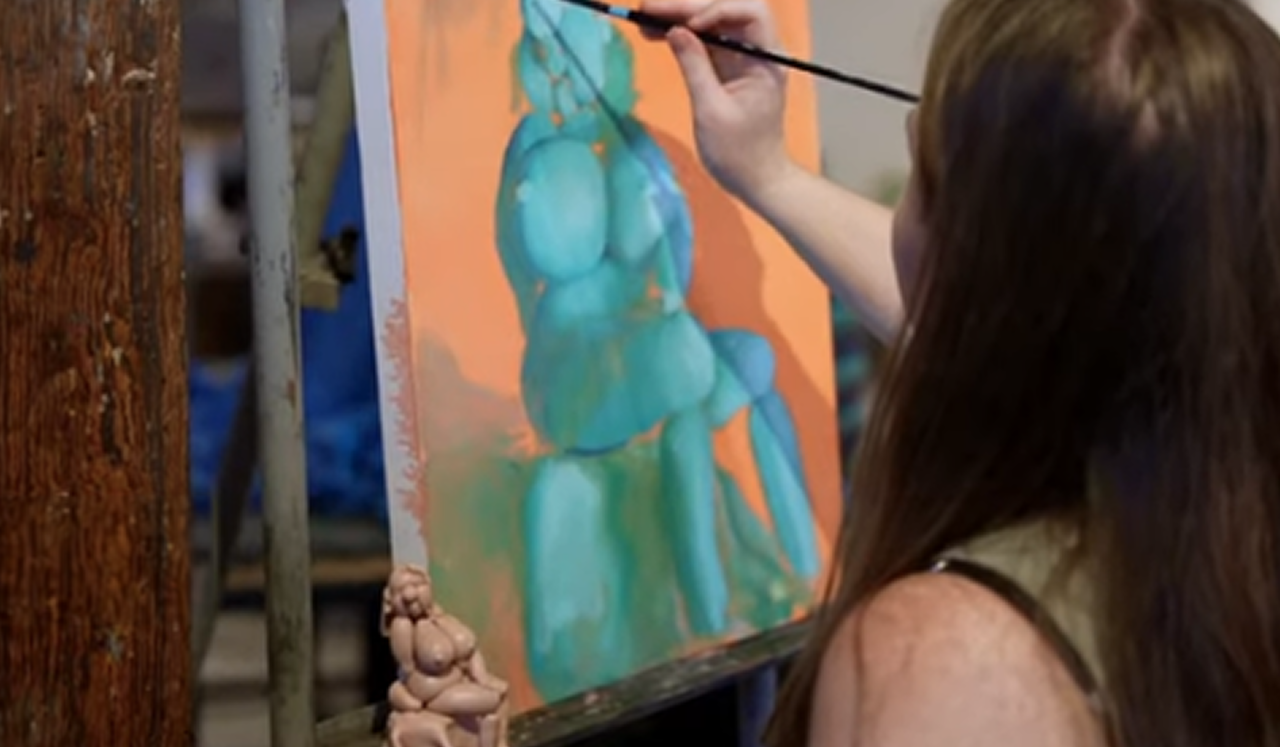
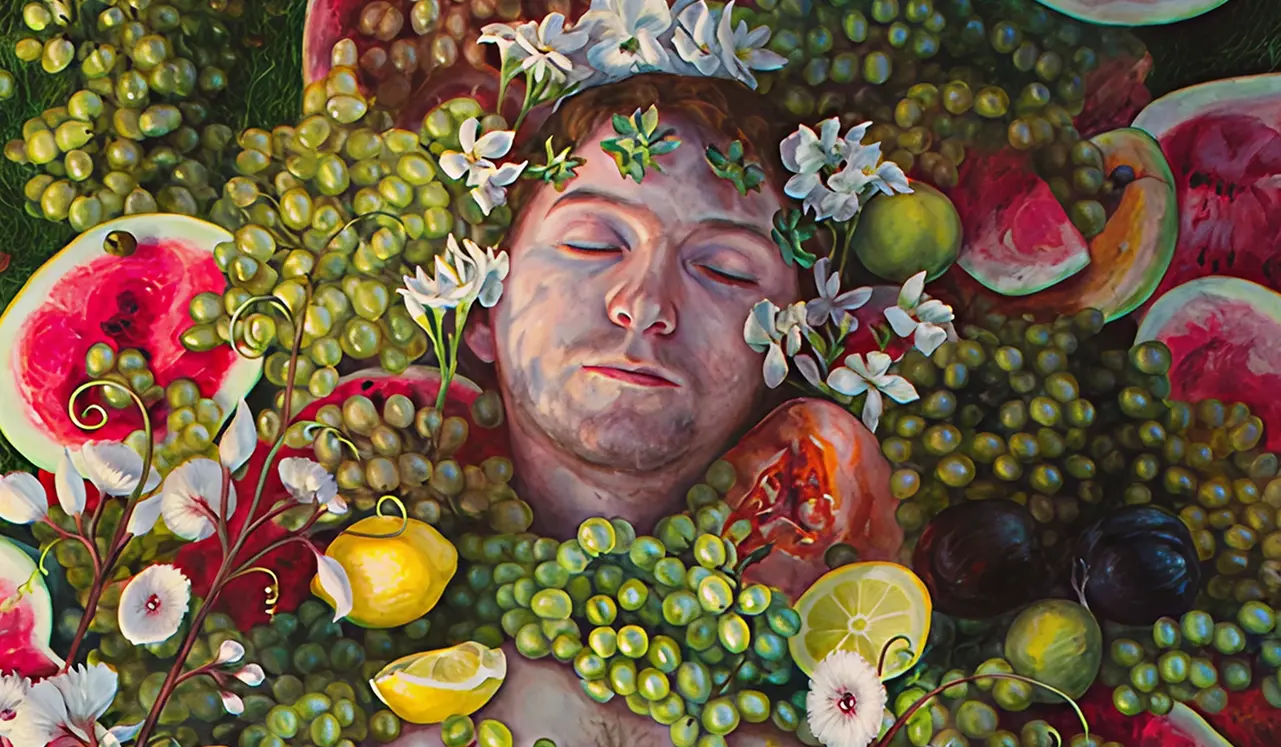
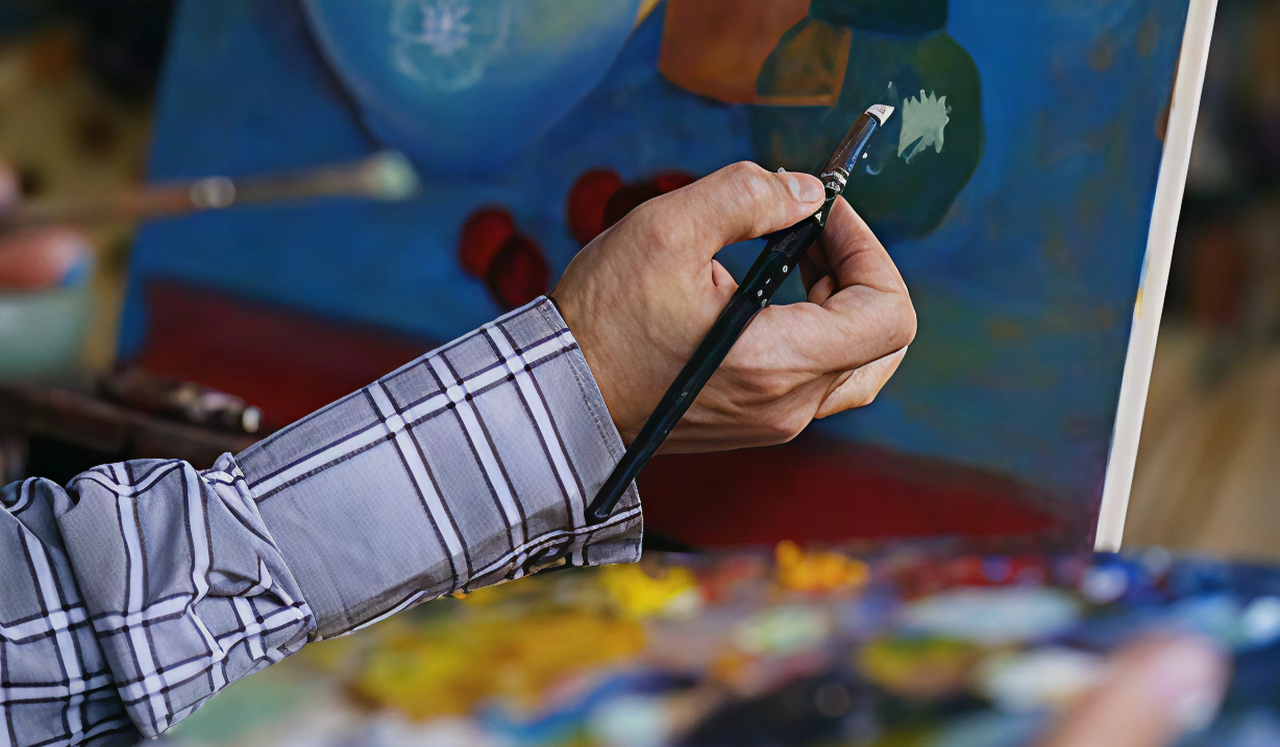
Painting Faculty

Nina Levy
Director · Sculpture

Wade Schuman
Director · Painting

Michelle Grimaldi
Drawing & Anatomy

Perla Michaels
Provost
Nina Levy
Director · Sculpture
Wade Schuman
Director · Painting
Michelle Grimaldi
Drawing & Anatomy
Perla Michaels
Provost
Painting Concentration Core Outcomes
- ability to use a variety of pictorial languages and methodologies
- understanding of direct painting application
- understanding of indirect painting application
- grasp of synthetic compositional and pictorial construction
- knowledge of historical and contemporary painting approaches
Student Work
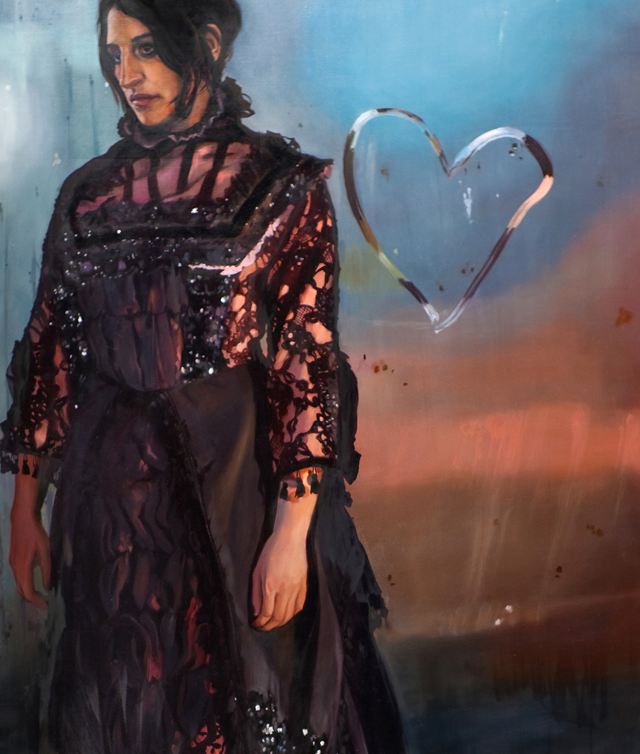
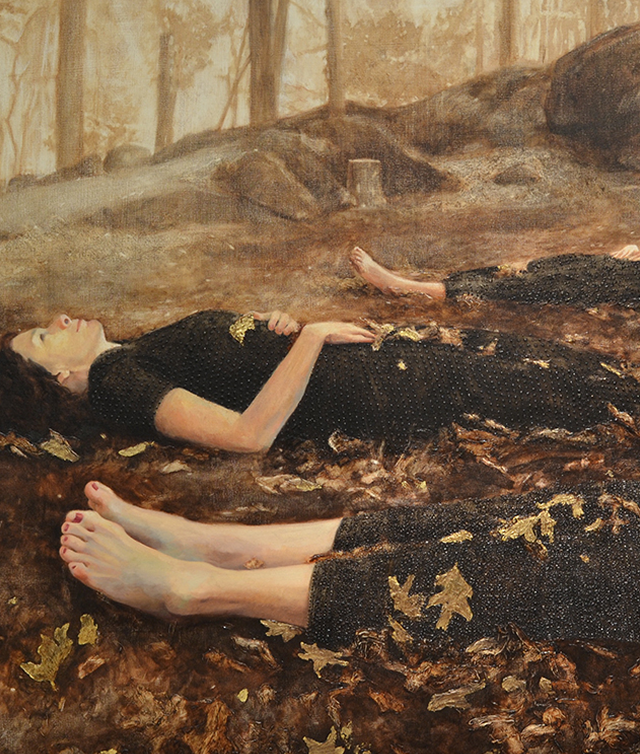
Apply
Now
Click here for the painting
curriculum and course
descriptions.